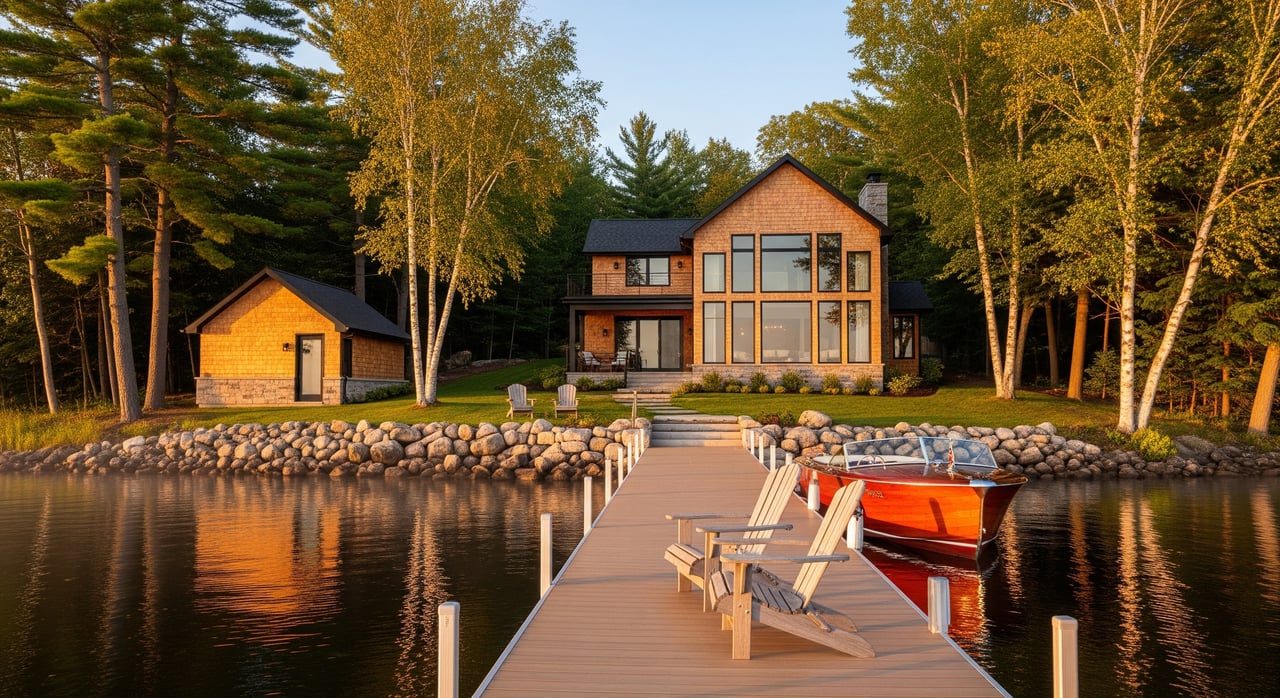
Thinking about trading city traffic for glassy morning water and pine-scented air? Roscommon sits in the heart of Northern Michigan’s lake country, where people come to slow down, get outside, and build a lifestyle around nature. If you’re weighing a full-time move or a part-time retreat, it helps to know how daily life works here and what to expect from local homes.
This guide walks you through housing, utilities, schools, healthcare, shopping, recreation, and the real costs of lake-country living. You’ll also get a simple buyer checklist and practical tips that keep surprises to a minimum.
Let’s dive in.
Who Roscommon is for
If you value quiet mornings, easy lake access, and seasons that truly change, Roscommon will feel like a fit. You’ll find a friendly village setting with a slower pace and strong ties to the outdoors. Summer brings boat traffic and visitors. Fall and winter shift to hunting, snow sports, and cozy weekend rhythms.
Many buyers come from metro areas looking for a second home or a permanent move. Some plan for retirement. Others work remotely and want a base near Higgins Lake, Houghton Lake, and the broader Roscommon County lake corridor. Your key decision is simple: year-round living or a seasonal retreat.
Day-to-day essentials
Utilities and services
Outside the village center, many properties rely on private wells and septic systems. It’s common for homes to use propane, fuel oil, electric, or wood heat. Backup generators are more common here than in metro neighborhoods, and they can be a smart investment.
Snow removal is part of the lifestyle. Public roads are plowed on set routes, but private and shared drives usually require owner or contracted service. Trash and recycling are managed locally, with schedules that can vary between village and township.
Internet and cell coverage can be uneven by road or neighborhood. Before you buy, confirm service at the exact address and compare advertised speeds to real performance. If you plan to work from home, verify reliability, equipment needs, and any data caps.
Healthcare and emergency services
You’ll find clinics and urgent care options in nearby towns, with larger hospitals in regional centers farther out. In rural areas, ambulance and volunteer fire services are common, and response times can be longer than what you may be used to. Build this into your planning, especially for young kids, older adults, or special medical needs.
Schools and childcare
Local public schools serve grades K-12 with a typical range of extracurriculars and student support. Bus routes and commute times vary by address, especially outside the village. Childcare and after-school options can be limited in smaller markets, so plan ahead if you need daycare or flexible hours.
Shopping and errands
In-village options handle basics, but big-box shopping, specialty health services, and some professional services are in regional hubs. Expect to drive for certain errands. Many locals plan “stock-up” trips once or twice a month and use online ordering for convenience.
Commuting and remote work
Most residents rely on cars for daily life. Winter road conditions can extend travel times, so leave margin in your schedule when it snows. Remote work is doable for many households, but it hinges on reliable broadband and a home set up for winter. Consider backup heat sources and surge protection for sensitive equipment.
Housing and neighborhoods
What you’ll find
Roscommon offers a mix of classic lakefront cottages, updated cabins, manufactured homes, ranch and colonial single-family homes, and vacant recreational lots. Many older cottages have been converted for year-round use. If you want turn-key, newer construction exists but is less common than downstate suburbs.
Year-round vs. seasonal
Think about how you’ll use the property. Seasonal homes often have lighter insulation, lower-capacity heating, and plumbing that needs winterization. Year-round homes are set up for cold-weather living with stronger building envelopes, efficient heating systems, and easier winter access. If you plan to rent seasonally, consider parking, storage, and local rules before you buy.
Buyer checklist
- Confirm water and sewer: private well or municipal water, septic or municipal sewer; ask for permits and maintenance records.
- Inspect for winter readiness: insulation levels, window age, roof condition, heating type, and backup heat or generator.
- Verify access: who plows the road, whether it’s private, and any shared driveway agreements.
- Check shoreline specifics: riparian rights, dock rules, and any shoreline setbacks or vegetation restrictions.
- Review internet at the address: provider options, plan speeds, and reliability.
- Ask about insurance: flood zones near lakes and underwriting for older roofs, wood heat, or outbuildings.
- Understand local zoning: use rules, accessory structures, and short-term rental requirements.
Lake life and recreation
Water access and activities
Roscommon sits near some of Michigan’s most loved lakes, including Higgins Lake and Houghton Lake, with Lake St. Helen to the east. You’ll find public access points, beaches, and boat launches around the region. Popular activities include boating, paddling, fishing, swimming, and in winter, ice fishing where conditions allow. Expect seasonal rhythms, with busy weekends in summer and a quieter shoreline in late fall and winter.
Licenses, registration, and local lake-association rules may apply. If you plan to add a dock or make shoreline changes, confirm what’s allowed before you start work. Rules can differ by lake and township.
Trails, forests, and winter fun
Beyond the water, you’ll have access to state forests, hiking and cross-country ski trails, and organized ORV and snowmobile networks. Snow sports are a big part of winter life, and many residents keep a trailer ready for weekend trail trips. Check permit needs and seasonal trail conditions before heading out.
Community events and clubs
Small-town life runs on seasonal festivals, farmers markets, and volunteer clubs. You’ll see active civic groups, lake associations, and recreation clubs that maintain trails and organize community days. These are great places to meet neighbors and learn local best practices, from winterizing to shoreline care.
Conservation and shoreline care
Lakes here are shared resources, and the community takes conservation seriously. Expect rules that protect water quality, manage invasive species, and guide shoreline projects. If you’re new to lake ownership, ask about best practices for docks, vegetation, and runoff control before you change anything.
Costs and ownership realities
Taxes and maintenance
Property taxes vary by village or township, school district millages, and any special assessments. If you own on or near the water, expect added upkeep: dock setup and removal, shoreline erosion control, and seasonal landscaping. Septic pumping and well testing are recurring tasks. Private road plowing and long driveways can add to winter costs.
Utilities and heating
Heating loads are higher in Northern Michigan winters, especially in older homes. Propane, fuel oil, electric, and wood each carry different costs and maintenance needs. Ask for recent utility history, understand tank ownership and refill logistics, and factor in the price of fuel when comparing homes.
Insurance considerations
Insurance premiums can be influenced by proximity to water, flood zones, roof age, wood stoves, and forested settings. Wind, hail, ice damming, and freeze risks are common underwriting factors. Shop multiple carriers and confirm any riders you might need for outbuildings, docks, or boats.
Permits, zoning, and short-term rentals
Local zoning controls how you can use the property, where you can build, and what accessory structures are allowed. Short-term rentals may require registration or permits in some townships, and they may have occupancy, parking, or noise standards. If you’re buying with rental income in mind, verify the rules at the address before you write an offer.
How to buy smart in Roscommon
- Start with lifestyle goals: full-time, part-time, or rental-focused use. This drives your housing search and budget.
- Confirm year-round readiness: insulation, heat, windows, roof, and access. Winter is a reality here, so plan for it.
- Do thorough due diligence: well output, water quality test, septic inspection, and any shoreline or dock permits.
- Verify logistics: snow removal, trash service, internet, and cell coverage at the specific address.
- Plan your ownership costs: utilities, insurance, fuel, plowing, and seasonal lake maintenance.
- Work with local specialists: inspectors with lake and septic experience, surveyors, and contractors who understand shoreline and winterization.
Local resources and next steps
Before you commit, confirm details at the address level. Check municipal water and sewer boundaries with the village or township. Review well and septic permitting with the county health department. Look up flood maps, broadband coverage, and local zoning. If you need help navigating the process, lean on a local team that knows lake-country homes and seasonal realities.
Ready to explore homes or build a plan for your sale? Reach out to the Laura & Kayla Team for local guidance, clear communication, and a lifestyle-first approach. To start a conversation, connect with Laura Corpe.
FAQs
Is Roscommon mostly seasonal or year-round?
- It’s a mix, with busy summer weekends and a quieter off-season; many homes are year-round, but older cottages may be set up for seasonal use.
Can I work remotely in Roscommon if I need reliable internet?
- Many residents do, but coverage varies by address; confirm providers and speeds at the property and consider backup power for winter resilience.
How far are hospitals and urgent care from Roscommon?
- You’ll find clinics and urgent care in nearby towns, with larger hospitals in regional cities that require a longer drive; plan travel time into your routine.
What should I know about wells and septic when buying here?
- Ask for permits and service records, test the well water, inspect the septic system, and map the drainfield before closing to avoid costly surprises.
What are the rules for short-term rentals in the Roscommon area?
- Rules vary by township and village; some require permits or registration, so confirm local ordinances for the exact address before you buy or list.