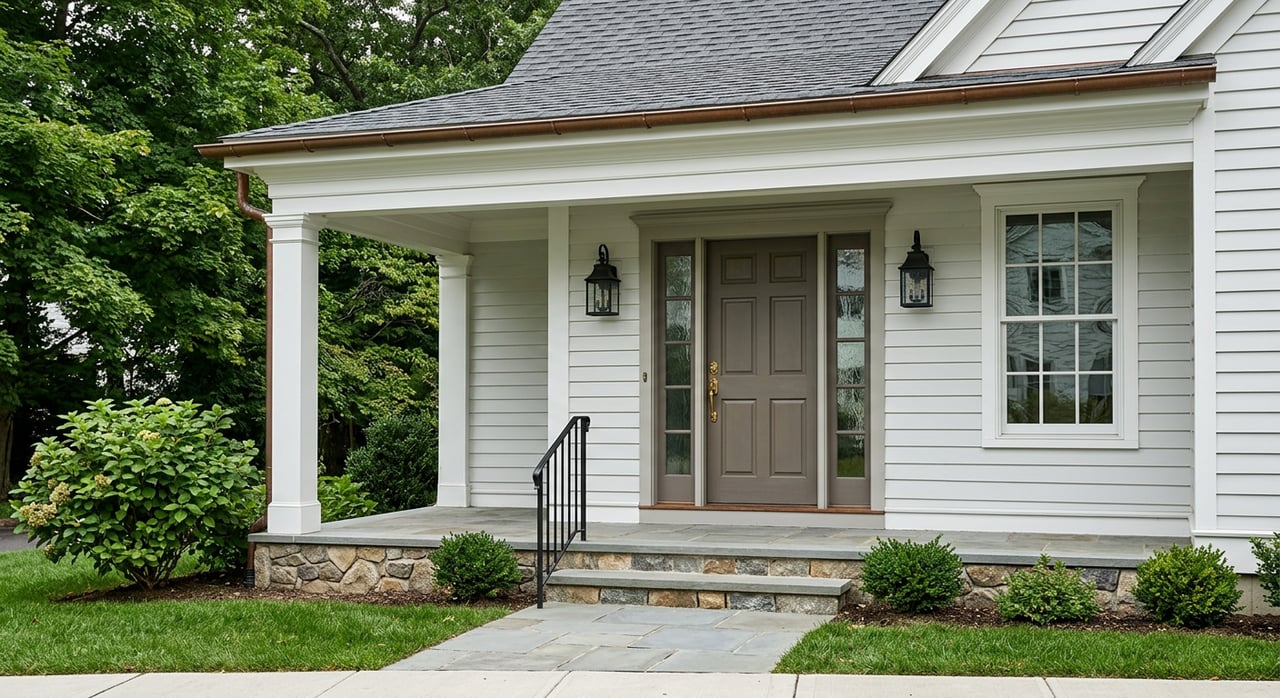
If you’re comparing Kalkaska’s in-town living with its lakes and quiet backroads, you’re not alone. Many buyers want the right balance of convenience, water access, privacy, and budget. In this guide, you’ll see how the village, lake areas, and rural acreage each live day to day, plus what to check before you buy. Let’s dive in.
Kalkaska at a glance
Kalkaska is the county seat and the only incorporated village in Kalkaska County, with a compact footprint and a 2020 population of 2,132. It sits at the crossroads of US‑131 and M‑72/M‑66, which makes regional travel simple. You’re typically 30 to 45 minutes from Traverse City depending on route and traffic. For a quick orientation to village history and layout, start with the Kalkaska overview.
Kalkaska County is sparsely populated at around 17,939 residents and is known for water and forest. The county description notes over 80 lakes and roughly 275 miles of streams and rivers, which explains the mix of lake cottages, riverfront parcels, and wooded acreage you’ll find. Population details are available through Census QuickFacts.
For year‑round services, the village anchors the area. You have a community hospital, the Kalkaska Memorial Health Center, basic retail and grocery, the Kaliseum recreation complex, and a public-school campus. That cluster is a major draw if you prefer shorter winter drives and fast access to necessities.
In‑town living: convenience and services
If you want walkable services and municipal utilities, the Village of Kalkaska is the most straightforward place to start. Properties in the village are generally on municipal water and sewer, thanks to system improvements completed in the 2010s–2020s. You can read about recent upgrades in this local utility project update. Outside village limits, most homes rely on private well and septic.
Housing styles range from older cottages and ranch homes on smaller lots near downtown to newer subdivisions and infill along M‑72 and US‑131. You’ll find the county government offices, dining, and annual community events like the National Trout Festival near the historic core. For families, confirm attendance and boundaries directly with Kalkaska Public Schools.
- Best for: Simple, year‑round living with short drives for groceries, healthcare, and schools.
- Typical tradeoffs: Smaller lots and closer neighbors than lakefront or acreage properties.
Lake communities: how they differ
Kalkaska County and nearby townships offer a wide range of lake experiences. Start with your preferred pace: big‑water boating and sandbar culture, all‑sports without the crowds, or quiet fishing on smaller inland lakes.
Big‑water chains and marinas
If your priority is full‑power boating and a social summer scene, look to the Elk River Chain of Lakes. While Torch Lake sits primarily in Antrim County, many Kalkaska buyers compare it when planning their search. Torch is famous for its turquoise color, large surface area, and sandbar culture. Get a feel for the lifestyle via the Torch Lake overview.
Skegemog and Elk Lakes offer long, open‑water runs, public launches, and active lake associations that monitor water quality and invasive species. For lake characteristics and stewardship context, review Skegemog Lake resources.
- Buyer fit: Big‑boat skiing and cruising, marina access, and strong summer activity.
- What to check: Public launch capacity, dock depth for larger boats, and association rules.
Mid‑size, all‑sports lakes
If you want boating and skiing without the energy of a major chain, mid‑size lakes around Kalkaska strike a comfortable balance. Bear Lake, Fife Lake, and Manistee Lake are popular examples with public access and a mix of year‑round homes and cottages. Learn more about Bear Lake through this lake directory profile.
- Buyer fit: All‑sports recreation with a more relaxed shoreline and a community feel.
- What to check: Shoreline frontage, water depth at the dock, and launch options.
Small, quiet inland lakes
For low boat traffic, fishing, and privacy, Kalkaska’s smaller kettle lakes are appealing. Long Lake is a representative example with primarily private shoreline and a quieter pace. See the Long Lake overview. Starvation Lake is another modest, clear lake known among anglers and cottage buyers who prefer a calmer setting.
- Buyer fit: Serenity, paddling, fishing, and lower noise.
- What to check: Whether access is deeded or public, association bylaws, and setback rules.
River corridors
Riverfront parcels on the Boardman, Rapid, or Manistee systems suit anglers and paddlers who value moving water over open lake frontage. These areas often have unique setback requirements, seasonal water variations, and site limits, so expect more due diligence before you finalize plans for docks or shoreline improvements.
Rural acreage and trail pockets
If you prize elbow room, Kalkaska’s rural townships offer larger parcels at a lower per‑acre price than many lakefront lots. You’ll see a patchwork of private land set against large blocks of public forest. The Pere Marquette State Forest covers significant swaths of the county, creating immediate access to remote recreation and natural buffers around many homesites. The county’s mix of private and state forest helps preserve a quiet, wooded character while letting you enjoy nearby trailheads.
Buyers often target acreage near state forest borders or established trail systems for horses, ORVs, biking, and snowmobiling. Proximity to trailheads can be a key value driver. Typical townships for acreage searches include Garfield, Oliver, Springfield, Orange, and parts of Boardman and Excelsior, where rural‑residential land uses are common. Confirm zoning and any long‑term development plans with county and township planning.
- Buyer fit: Space, privacy, and quick access to trails and public land.
- What to check: Driveway and road maintenance, well performance, and internet options.
Commute, utilities, and daily living
- Drive times: Most Kalkaska locations are a 30 to 45 minute drive to Traverse City depending on season, road conditions, and route. In‑village drives are shorter for daily shopping and medical care.
- Water and sewer: In the village, properties generally connect to municipal water and sewer. Outside, expect private well and septic with permits through the local health department.
- Internet and cell: Coverage varies by township and even by street. If you work from home, confirm providers and speeds during your inspection period.
- Winter access: Ask about snow removal, school bus routes, and whether private roads or steep driveways require special vehicles.
Lake and river due‑diligence checklist
Use this quick list to compare properties and set realistic budgets.
- Access type: Confirm whether the parcel has true private frontage, deeded shared access, or only public access nearby. Read the deed and easements closely.
- Public launches: Locate the nearest launch and its trailer parking capacity. Peak summer access can affect your boating routine.
- Dock depth and bottom: Measure depth at the proposed dock site and note bottom type. Bigger boats and permanent lifts need specific conditions.
- Association rules: Ask for the latest bylaws and meeting minutes. Understand short‑term rental rules, dock policies, and quiet hours.
- Water quality and AIS: Review the lake’s stewardship pages for updates on monitoring and invasive species. For chain lakes, the Skegemog Lake overview is a helpful example of the type of reporting to request.
- Septic and well: Request recent records and permits. District Health Department #10 handles permitting and time‑of‑sale evaluations for wells and septic in Kalkaska County. Start with DHD#10’s Kalkaska page.
- Setbacks and shoreline work: Check local and state rules before planning beaches, lifts, or shoreline alterations. Setbacks vary by waterbody and township.
How to match your lifestyle to a location
- You want quick daily convenience: Focus in and around the Village of Kalkaska. You’ll likely have municipal utilities, easy grocery runs, and fast access to medical care.
- You want boating and a social summer: Start with the Elk, Skegemog, and Torch Lake system. You’ll find long runs for skiing and cruising, public launches, and marina access.
- You want lake life without the crowds: Compare Bear, Fife, and Manistee Lakes. They offer all‑sports recreation with a more relaxed shoreline.
- You want peace and fishing: Look at smaller inland lakes like Long Lake or quiet settings similar to Starvation Lake. Expect calmer waters and limited public access.
- You want land and trails: Search acreage in rural townships near state forest borders. Confirm road maintenance and utilities early.
Getting started with showings and comps
Because national market trackers use different measures and geographies, pricing can look inconsistent at a glance. To value a specific property, review recent sold comparables on the same lake, river bend, or subdivision. When you’re ready, we’ll help you refine the search, line up showings, confirm utility details, and coordinate due diligence with local offices.
Ready to zero in on your Kalkaska spot or compare lakeside options one‑on‑one? Reach out to Laura Corpe to start your plan.
FAQs
What makes in‑village Kalkaska practical for year‑round living?
- You’re close to grocery, the Kaliseum, county services, and the community hospital, with many homes on municipal water and sewer for simpler upkeep.
Which Kalkaska‑area lakes suit big‑boat cruising and sandbar days?
- The Elk River Chain, including Elk and Skegemog, and nearby Torch Lake are the best fit if you want long open‑water runs, public launches, and a social summer scene.
Where should I look for quiet fishing and low boat traffic near Kalkaska?
- Smaller inland lakes like Long Lake and similarly sized private kettle lakes are good picks, along with riverfront parcels for trout and paddling.
How do I verify septic and well details for a Kalkaska property?
- Ask for recent permits and evaluations and contact District Health Department #10, which handles wells, septic permits, and point‑of‑sale checks in Kalkaska County.
Are there invasive species concerns on chain lakes near Kalkaska?
- Some chain lakes have documented zebra or quagga mussels and active monitoring. Review the latest lake association and watershed updates before you buy.