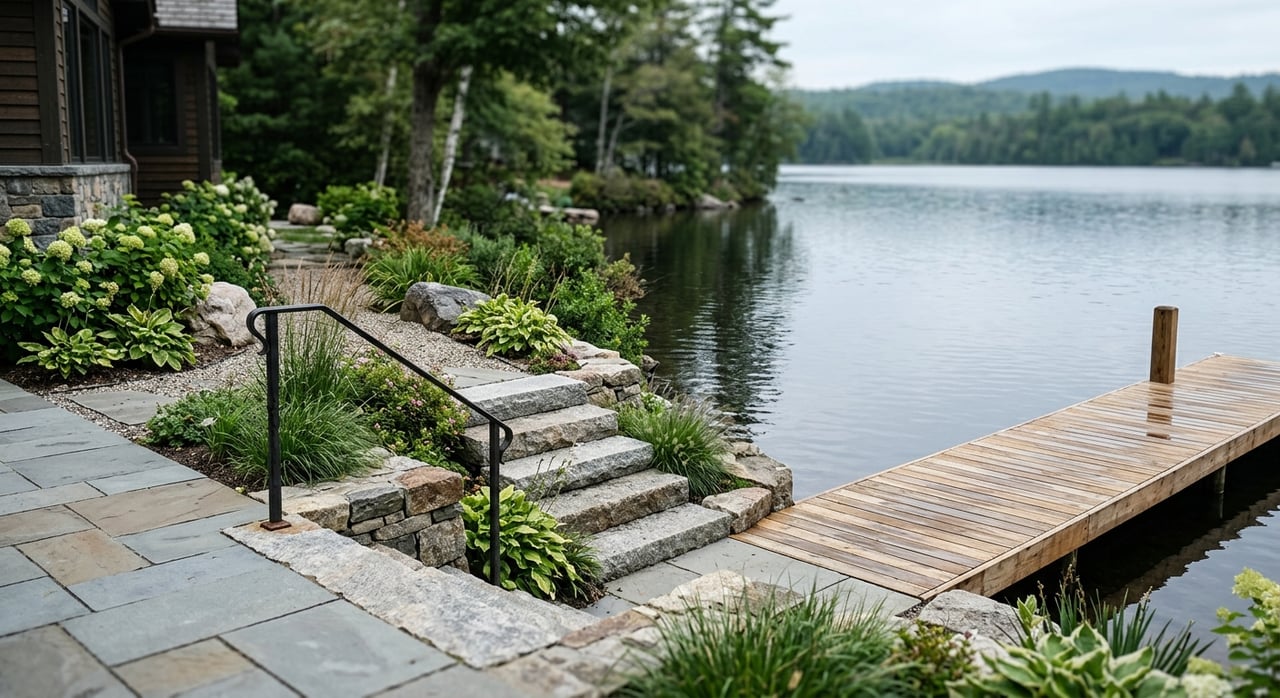
Dreaming about mornings on Houghton Lake and evenings by the dock? Buying a lakefront home in Prudenville can absolutely deliver that Northern Michigan escape, but waterfront real estate comes with a different set of questions than a typical home search. If you want to buy with confidence, it helps to understand frontage, dock rules, shoreline permits, and well and septic details before you fall in love with a property. Let’s dive in.
Why Prudenville lakefront is different
Prudenville is part of Denton Township in Roscommon County, along the southeast shoreline of Houghton Lake. Roscommon County identifies Prudenville as the township’s largest community, and Houghton Lake is Michigan’s largest inland lake at more than 20,000 acres.
That size and setting are a big part of the appeal, but they also make the details of each parcel especially important. In Prudenville, the key question is often not just which house do you like but what exactly comes with the water access.
Know the type of water access
Not every property marketed near the lake gives you the same rights or use. Before you focus on finishes, square footage, or views, make sure you know whether the property is true waterfront, shared frontage, canalfront, or access-only.
That distinction can shape everything from dock placement to parking to how private your lake use feels. In an area like Prudenville, where parcel-by-parcel variation is common, this step matters early.
True waterfront vs shared frontage
Michigan’s inland lake guidance says owners whose property directly touches an inland lake or stream have riparian rights. Those rights generally include access to navigable water, dockage, and general water use.
If a lot is shared frontage, the lake experience can look very different. You may need to rely on association rules or shared-use arrangements, and your practical day-to-day use may be more limited than a buyer expects at first glance.
Access lots and easements
Some homes near Houghton Lake use an access lot, easement, or neighborhood arrangement rather than direct frontage. These properties can still be a great fit, but you should not assume they function like a private waterfront parcel.
Reviewing the deed, title work, survey, and any association documents is important here. You want clear answers on dock rights, parking, mooring, maintenance, and who can use the access area.
Canal and channel properties
Canalfront homes can offer a strong lifestyle fit if boating access is your main goal. But Denton Township has a no-wake rule for canals and channels connected to Houghton Lake in specified sections of the township.
That means you should verify how the rule affects the boating experience you want. If you picture quick open-water access or certain watercraft habits, this is worth confirming before you move forward.
Understand riparian rights and boundaries
Waterfront lines are not always obvious from the shoreline. Michigan’s inland lake guide notes that the riparian interest area on inland lakes is often wedge-shaped toward the center of the lake.
In simple terms, what looks straightforward on the ground may be more complicated on paper. That is one reason surveys, plat review, and title review are so important when you are buying an older lake cottage or a parcel with unusual dimensions.
Denton Township’s land-division ordinance also says proposed parcels must comply with applicable frontage, width, area, road-access, and setback requirements unless a variance applies. If you are considering future changes to the property, those standards matter.
Check docks and shoreline work carefully
One of the biggest lakefront mistakes buyers make is assuming that if a dock, seawall, or beach area exists, it must be fully compliant. On waterfront property, you want to know not just what is there, but whether it was properly permitted.
Michigan’s Inland Lakes and Streams program regulates work such as dredging, filling, structures on bottomlands, marina work, and changes that interfere with water flow or connect a ditch or canal to a lake or stream. EGLE also says docks, boat hoists, and swim rafts are common projects that may require permits.
Ask about these past improvements
Before you buy, ask whether the seller can document any permits or approvals related to:
- Docks
- Boat hoists
- Swim rafts
- Seawalls
- Riprap
- Beach fill
- Dredging
- Shoreline protection work
If records are incomplete, that does not always mean there is a problem. It does mean you should slow down and verify what was done.
Street-end dock rules matter
If a property relies on a public street-end or township-controlled access point, Denton Township’s dock ordinance becomes especially important. The ordinance allows no more than one dock at the end of a public street leading to a lake.
It also says those docks may not be more than four feet wide or 100 feet long, must be identified, must remain open to general public use, and cannot be used for overnight mooring. For buyers considering shared or neighborhood lake access, those rules can significantly shape how usable the setup really is.
Look beyond the lawn at the shoreline
A neat lawn running right to the water may look simple to maintain, but shoreline condition deserves a closer look. Michigan’s DNR notes that inland lakes have changed as lakeside development increased and that natural shoreline practices can help reduce erosion and nutrient runoff while supporting habitat.
That does not mean every natural-looking lot is better or every manicured lot is a problem. It means you should compare shoreline stability, maintenance needs, and long-term condition, not just appearance on showing day.
Verify zoning and future plans
If you hope to add a garage, rebuild a deck, expand the house, or make other site changes, do not wait until after closing to learn the rules. Denton Township uses zoning and land-use permits, and its zoning page says a land-use permit requires a site plan showing structure size and setbacks from property lines.
The township also says a building permit can be issued only after the land-use permit is approved. So if future improvements are part of your plan, confirm setback and site constraints early.
Questions to ask before making an offer
A few practical questions can save you time and frustration:
- Is the frontage private, shared, canalfront, or access-only?
- Are the lot lines and water boundaries supported by a survey?
- Were the dock and shoreline improvements permitted if required?
- Does the parcel comply with township setbacks and land-use rules?
- Are there association rules that affect use, storage, parking, or mooring?
Well and septic checks are not optional
Many Prudenville lakefront homes rely on private well and septic systems. These systems are a normal part of Northern Michigan ownership, but they should be part of your due diligence every time.
District Health Department #10 issues permits for private wells and septic systems, evaluates the site, designs the septic system, locates the well area, and inspects final work. The department also provides well and septic records and a point-of-sale application, making it a key source for property history.
What to confirm on septic
DHD#10 says homeowners may install their own septic system, while other installers must be licensed by the department. It also recommends pumping septic tanks every 3 to 4 years.
That means you should ask for service history, permit records, age information if available, and current operating condition. A lake home can feel perfect until an aging septic system becomes your first major project.
What to confirm on the well
MDHHS says private residential well owners are responsible for testing their drinking water. It also notes that many contaminants have no taste, color, or smell.
So even if the water seems fine during a showing, well testing should still be part of your inspection process. This is one of the easiest ways to move from assumption to confidence.
Review documents before you get attached
Lakefront purchases often hinge on paperwork that does not come up as often with standard residential homes. In Prudenville, older parcels, shared-access setups, and shoreline improvements can all create extra layers to review.
A strong buyer checklist should include:
- Deed
- Survey
- Plat
- Title work
- Shoreline history
- Well records
- Septic records
- Any EGLE or township permits for shoreline changes
- Association or shared-frontage documents, if applicable
If the property is part of a lake association or shared frontage arrangement, read those documents before you rely on dock use or storage assumptions. Small details on paper can have a big effect on how relaxed the property feels in real life.
Touring tips for Prudenville buyers
When you tour lakefront property, it helps to look at the visit in two layers. First, enjoy the lifestyle side: the view, sun exposure, water access, and how the property feels when you picture using it.
Then switch to the practical side. Ask whether the dock is legal, whether the shoreline is stable, whether the septic system is current and serviceable, whether the well has been tested, and whether the parcel fits your long-term plans.
That mix of lifestyle and due diligence is especially important in Prudenville. The area offers everything from direct Houghton Lake frontage to canalfront and access-based properties, so careful comparison is part of buying smart.
If you want a lakefront home that feels easy to own, the goal is not just finding a beautiful house. It is finding a property whose access, permits, systems, and rules all match the way you want to live.
When you’re ready to sort through waterfront details with a local team that knows Roscommon County lake property, connect with Laura Corpe to start your search.
FAQs
What should you verify before buying a lakefront home in Prudenville, MI?
- You should verify the type of frontage, survey and title details, dock and shoreline permits, zoning and setbacks, well records, septic records, and any shared-access or association rules.
What do riparian rights mean for a Prudenville waterfront property?
- In Michigan, owners whose property is contiguous to an inland lake or stream generally have riparian rights, including access to navigable water, dockage, and general water use.
How do shared frontage properties in Prudenville differ from true waterfront homes?
- Shared frontage properties may depend on association rules or shared-use arrangements, which can affect dock use, parking, mooring, maintenance, and how private your access feels.
Do docks and shoreline improvements in Prudenville need permits?
- Some waterfront projects may require permits, including certain docks, boat hoists, swim rafts, dredging, filling, seawalls, riprap, and other shoreline work, so buyers should ask for records of past approvals.
Why are well and septic records important for Prudenville lake homes?
- Many lake homes use private well and septic systems, so records, testing, service history, and current condition are important parts of due diligence before closing.
What is important to know about canalfront homes in Prudenville, MI?
- Buyers should verify whether Denton Township’s no-wake rules for certain canals and channels connected to Houghton Lake affect boating access and day-to-day use.