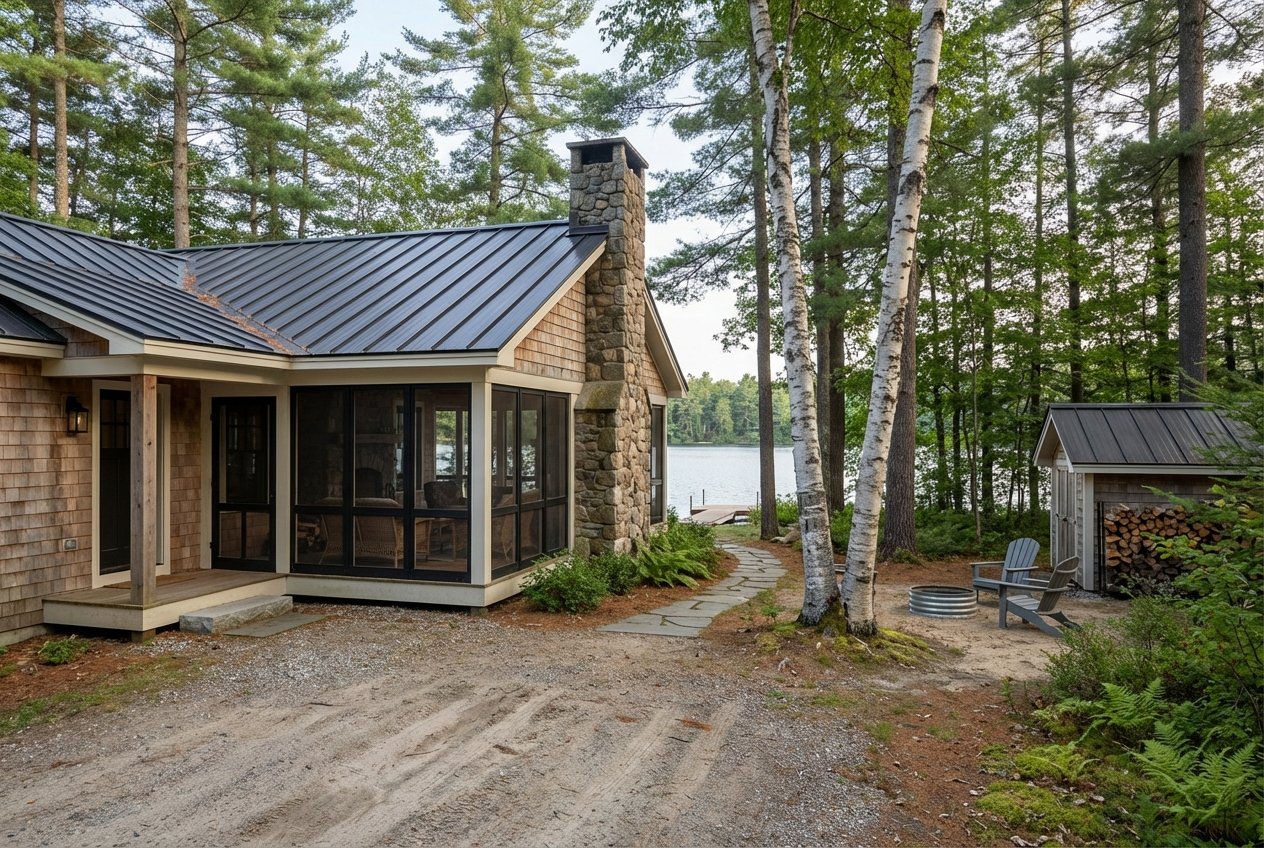
Dreaming of easy weekends where you can launch the boat in the morning and hit the ORV trails by afternoon? If St. Helen has your attention, you’re not alone. Buyers love its big, all-sports lake and trail access, but the rules, permits and property types can feel confusing at first. In this guide, you’ll learn what to look for, what it costs to own, and how to buy with confidence. Let’s dive in.
Quick buyer checklist
- Confirm lake rights and dock status: request deed, survey and any HOA or shared-access documents. If you plan shore or in-water work, review state rules through Michigan EGLE’s inland lakes guidance.
- Order septic and well due diligence: a Time-of-Transfer evaluation, water test and septic inspection are common in Roscommon County; see CMDHD’s Time-of-Transfer program.
- Verify winter access: check if the road is county-maintained, and budget for snow plowing if private.
- Assess year-round utility setup: insulation, furnace type, propane storage, and crawlspace winterization.
- Check property taxes: ask for the current bill and confirm how uncapping will affect you (see the formula below).
- Map your lifestyle fit: distance to public launch, township beach, and local ORV trailheads.
Why St. Helen stands out
St. Helen sits in Richfield Township, Roscommon County, a laid-back lake town that draws weekenders and second-home owners. Lake St. Helen is an all-sports lake of about 2,400 acres and serves as the headwaters of the south branch of the Au Sable River. You’ll see pontoons, fishing boats and kayaks share the water across the seasons. The community hub includes a township beach, boat access, and marina facilities near town, with groceries and services available in the wider Roscommon and Houghton Lake corridor.
What you can buy
Cozy lake cottages
You’ll find classic “up-north” cottages with 1–2 bedrooms and modest footprints. Many are older and may have original mechanicals, but they often come with private frontage, a dock, or access to a shared slip.
Year-round ranch homes
Single-story ranches from the 1970s–2000s are common and appeal if you want insulation, a furnace and practical winter usability. These homes often have easier year-round access and storage for toys and gear.
Canal-front and larger lots
Canal-front homes and larger lots offer space for trailers, sheds and boat storage. Condition, frontage and shoreline quality drive big swings in price, so compare carefully.
Key price drivers
- Private waterfront and a usable dock typically command the strongest premium.
- Year-round features like insulation, a modern furnace and maintained winter road access.
- Shoreline characteristics: sandy, firm bottoms and good swimming often boost value.
- Lot size and privacy, plus proximity to township facilities and ORV trailheads.
Lake and trail access
Public access is part of the St. Helen appeal, with a township beach, parking and launch facilities close to town. Private marinas, including St. Helen Marina, offer slip rentals, winterization and pontoon rentals for owners who do not keep a dock on-site.
If trail riding is part of your plan, you’re in the right spot. St. Helen is a known ORV hub with loop trails and a local motorsports area that connect to nearby systems. Michigan requires a state ORV license (about $26.25) for many road/route uses and an ORV trail permit (about $10) on state-designated trails. Get the latest rules and fees from the Michigan DNR permits page and preview the local trail experience through this overview of St. Helen ORV trails. Plan storage for the machines, a trailer, and a spot to stage gear.
Permits and shoreline rules
New docks, pier extensions, seawalls, riprap and dredging commonly require state review under Michigan’s inland lakes statutes. Before you close, ask for copies of any past permits, recorded easements, and association rules. If you plan changes, start with EGLE’s guidance for marinas and in-water work and confirm township expectations for docks and shared access.
Taxes and the uncapping rule
Michigan’s Proposal A limits yearly increases in taxable value until a property sells. After you buy, the taxable value typically “uncaps” and resets closer to market value for tax calculation. Use this simple formula to estimate after you get the parcel’s actual figures: (Taxable value / 1,000) × total millage = annual property tax. For a plain-English overview, review this Proposal A explainer and confirm the parcel’s current bill and millage with the Roscommon County offices.
Septic, wells and inspections
Most St. Helen homes are on private septic and well. Lenders usually require a potable water test and septic inspection or recent pump receipt. Roscommon County follows a Time-of-Transfer program that prompts a review when a property changes hands. Start early with the CMDHD Time-of-Transfer guidance, and request the septic permit/as-built, well log, and pump receipts with your offer.
Insurance and flood checks
Waterfront ownership can change insurance needs. Standard homeowners policies exclude flood damage, and lenders rely on FEMA flood maps to decide whether flood insurance is required. Look up a property’s status using the FEMA Flood Map Service Center. Ask your insurance agent about coverage for docks, ice damage and water intrusion so you can compare premiums.
Ownership costs to expect
- Dock and shoreline upkeep: replacement, repairs and any needed permitting or engineering.
- Slip or marina fees: township seasonal slips and private marinas may have wait lists and posted rates.
- Septic and well: plan to pump the septic every 3–5 years depending on use; budget for periodic water testing and maintenance.
- Winter needs: snow plowing, road maintenance contributions if private, propane fills and winterization.
- Trail time costs: ORV permits renewed each season, plus storage, trailer maintenance and fuel.
St. Helen vs. nearby lakes
Expect St. Helen to offer a more affordable path to waterfront than premium-clear lakes like Higgins Lake, where waterfront typically commands higher prices. Houghton Lake is the larger, busier market with broader inventory and a wide price range. If you want a blend of lake time and ORV access, St. Helen often provides strong value and practical access to both.
How to shop smart year-round
- Prioritize structure and systems: roof age, crawlspace condition, insulation and furnace type matter in four-season use.
- Check winter logistics: who plows the road, where you park a trailer, and how you shut down or heat the crawlspace.
- Think storage: space for a dock section, kayaks, snowblower and ORVs saves time and money.
- Walk the shoreline: confirm water depth at the dock line, bottom type and prevailing winds.
Ready to make a move on the right cabin or cottage in St. Helen? Let a local pro streamline your search, line up inspections and protect you from surprise costs. Reach out to Laura Corpe and our team to explore current listings and Find Your Escape.
FAQs
Is there public access to Lake St. Helen?
- Yes; you’ll find a public launch, ADA kayak access and a township beach near town, as listed on the Outdoor Michigan launch page and the township’s parks and marina information at Richfield Township Parks & Rec.
Can I use ATVs and snowmobiles from a St. Helen base?
- Yes; St. Helen connects to state-designated ORV trails and a local motorsports area, and riders must follow permit rules and fees on the Michigan DNR ORV permits page.
Do I need a permit for a dock or shoreline project?
- Often yes; new docks, seawalls, riprap and dredging commonly require state review and permitting under inland lakes rules—start with EGLE’s guidance and verify any recorded easements.
What inspections should I expect for septic and well?
- Plan on a potable water test and a septic inspection or pump receipt; Roscommon County follows a Time-of-Transfer process explained by CMDHD.
How does St. Helen compare with Houghton Lake and Higgins Lake?
- St. Helen generally offers more approachable waterfront prices than premium-clear Higgins Lake, while Houghton Lake has a larger, busier market with broader inventory across price points.